
Storfib 145 mg Tablet (10 Tab)
 Rx Required
Salt Composition: Atorvastatin (10mg) + Fenofibrate (145mg)
Expiry Date: 01/2028

Enquire
Inclusive of all taxes
10 Tab
 Prescription Required
Storfib 145 mg Tablet (10 Tab)
10 Tab
Atorvastatin + Fenofibrate
Salt Composition
Atorvastatin (10mg) + Fenofibrate (145mg)
Storage
Below 25°C
Expiry Date
01/2028
Marketer
sun pharmaceutical industries ltd.
Brand
Sun Pharmaceutical Industries Ltd.
 Prescription Required
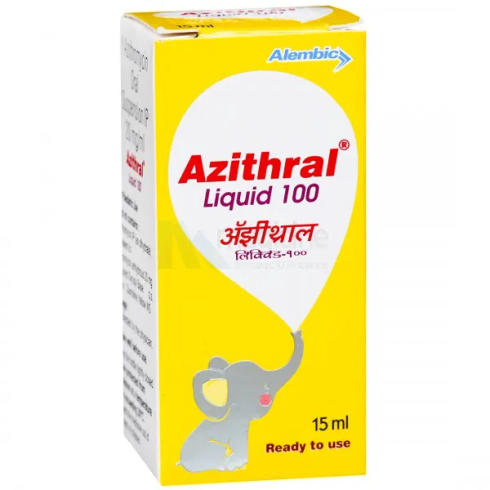
Azithral 100 mg Suspension 15 ml
15 ml
Azithromycin
Salt Composition
Atorvastatin (10mg) + Fenofibrate (145mg)
Storage
Below 25°C
Expiry Date
01/2028
Marketer
alembic pharmaceuticals limited
Brand
Alembic Pharmaceuticals Limited

MAGIC DEALS
Enquire
Apply Promo Code
Available CouponsStorfib 145 mg Tablet (10 Tab)
Inclusive of all taxes

In Stock

Authorized

Global Reach

Verified Logistics
The price displayed is inclusive of applicable taxes. Any additional fee (such as shipping fee, handling and/or platform fee etc.) will be clearly disclosed before you complete your purchase.
About The Product
Overview
Storfib 145 tablet is a fixed-dose combination tablet made by Sun Pharma. Each tablet is listed as atorvastatin 10 mg plus fenofibrate 145 mg.
Atorvastatin is a statin that lowers LDL cholesterol. Fenofibrate lowers triglycerides and raises HDL cholesterol.
But it also contains a statin. However, it should only be used when your doctor has weighed it.
Quick Product Facts
Item | Detail |
Active ingredients | Atorvastatin 10 mg + fenofibrate 145 mg per tablet |
Maker and pack | Sun Pharmaceutical Industries: strip of 10 tablets |
Drug classes | Statin (HMG-CoA reductase inhibitor) and fibrate (PPAR alpha agonist) |
Usual timing | Both components are once-daily medicines. Swallow the tablet whole. |
Storage | Fenofibrate: Store at 25°C and protect from moisture |
Prescription status | Prescription medicine. |
Uses and Indications
Atorvastatin: to lower the risk of heart attack, stroke, and angina in adults with or at risk of heart disease, and to lower LDL cholesterol.
Fenofibrate: as an add-on to diet to lower triglycerides in adults with severe hypertriglyceridemia (500 mg/dL or more). Also to lower LDL cholesterol in primary hyperlipidemia when the recommended LDL-lowering treatment cannot be used.
How It Works
Storfib 145 tablet blocks HMG-CoA reductase, the liver enzyme that makes cholesterol, so the liver removes more LDL from the blood. The medicine turns into fenofibric acid, which activates the PPAR alpha receptor.
This speeds the breakdown of triglyceride-rich particles by activating lipoprotein lipase and reducing apoprotein C-III. Fenofibric acid peaks 6 to 8 hours after a dose, reaches steady state within 9 days, and has a half-life of about 20 hours.
Food does not change its exposure. Atorvastatin peaks in 1 to 2 hours, and its effect lasts 20 to 30 hours.
Clinical Evidence
In short, fenofibrate lowers triglycerides well, but it did not reduce heart attacks or deaths, even when added to a statin. Atorvastatin did reduce events.
Study | Setting | Key result |
Triglyceride trials (fenofibrate) | 147 adults with high triglycerides; 8 weeks | Triglycerides fell 46% (350 to 499 mg/dL) and 54.5% (500 to 1,500 mg/dL). HDL rose 20% to 23%. LDL rose 14.5% and 45%. |
Primary hyperlipidemia (fenofibrate) | Four trials, 361 on treatment, 3 to 6 months | LDL fell 20.6%, total cholesterol 18.7%, and triglycerides 28.9%. HDL rose 11%. |
ACCORD Lipid | 5,518 people with type 2 diabetes on a statin; fenofibrate added; 4.7 years | Major cardiovascular events: hazard ratio 0.92 (0.79 to 1.08). No benefit shown. |
FIELD | 9,795 people with type 2 diabetes; 5 years | Coronary events: hazard ratio 0.89 (0.75 to 1.05). Total deaths: 1.11 (0.95 to 1.29). |
ASCOT-LLA (atorvastatin 10 mg) | 10,305 adults with high blood pressure; median 3.3 years | Coronary events fell 36% (1.9% vs 3.0%). |
CARDS (atorvastatin 10 mg) | 2,838 adults with type 2 diabetes; median 3.9 years | Major events: 83 vs 127 (hazard ratio 0.63). |
LDL cholesterol fell 39% on atorvastatin 10 mg in dose-response trials. The key message: this tablet lowers lipid numbers, but the ACCORD result shows that adding fenofibrate to a statin did not lower heart events in people with type 2 diabetes.
Side Effects
In Storfib 145 tablet trials, adverse reactions led to stopping in 5% of patients against 3% on placebo, and raised liver tests were the most frequent cause.
Effect (fenofibrate trials) | Fenofibrate (439) | Placebo (365) |
Abnormal liver tests | 8% | 1% |
Abdominal pain | 5% | 4% |
Raised ALT | 3% | 2% |
Raised AST | 3% | 1% |
Raised creatine phosphokinase (CPK) | 3% | 1% |
Constipation | 2% | 1% |
Rhinitis | 2% | 1% |
ALT rose above 3 times normal in 5.3% on fenofibrate, against 1.1% on placebo. For atorvastatin, the most common effects (5% or more) were colds, joint pain, diarrhea, limb pain, and urinary infections. Most were nearly as common on placebo. Urticaria occurred in 1.1% and rash in 1.4% on fenofibrate.
Serious side effects
In short: serious effects are uncommon, but each needs quick action. Learn the warning signs in Section 7.
Muscle damage: Myopathy and rhabdomyolysis. The risk rises when a fibrate and a statin are taken together.
Liver injury: Serious drug-induced liver injury, including liver transplantation and death, was reported with Storfib 145 tablets within weeks or after months.
Allergy and skin: Anaphylaxis and angioedema, and severe skin reactions including Stevens-Johnson syndrome, toxic epidermal necrolysis, and DRESS, days to weeks after starting.
Gallstones and pancreatitis: Storfib 145 tablet raises cholesterol in bile. Pancreatitis has been reported.
Kidneys: Serum creatinine can rise, usually returning after stopping.
Clots: In FIELD, pulmonary embolism occurred in 1.1% on the Storfib 145 tablet against 0.7% on the placebo, and deep vein thrombosis in 1.4% against 1.0%.
Blood and HDL: Falls in hemoglobin and white cells, rarely low platelets or agranulocytosis. HDL cholesterol can fall severely in some people.
Blood sugar: HbA1c and fasting glucose can rise on statins.
Critical Safety Warning
Seek immediate emergency medical help if you experience:
Do not take this tablet if you have severe kidney impairment or are on dialysis, active liver disease or unexplained persistent liver test abnormalities, acute liver failure or decompensated cirrhosis, or gallbladder disease. Do not take it if you are allergic to atorvastatin, fenofibrate, fenofibric acid, or any ingredient. |
Dosage and How To Take It
Item | Fenofibrate | Atorvastatin |
Usual dose | 145 mg once daily for primary hyperlipidemia; 48 or 145 mg for severe triglycerides | Start 10 or 20 mg once daily; range 10 to 80 mg. |
Timing | Any time of day, with or without food. Swallow whole; do not crush, break, or chew. | Any time of day, with or without food |
Response check | Triglycerides at 4 to 8 weeks; stop if no adequate response after 2 months | Measure the lipid levels within two to four weeks of initiation of therapy or change in dose. |
Mild to moderate kidney disease | Start 48 mg once daily; increase only after evaluating kidney function and triglyceride levels. | No atorvastatin dose change; watch for muscle problems |
Severe kidney disease or dialysis | Contraindicated | No dose change; watch for muscle problems |
A fixed tablet has limits: the Storfib 145 tablet holds fenofibrate 145 mg, so it does not suit people who need the 48 mg start dose for reduced kidney function. It also fixes atorvastatin at 10 mg.
Diet: You should follow a lipid-lowering diet before and during treatment.
Bile acid resins: Take fenofibrate at least 1 hour before or 4 to 6 hours after a resin such as cholestyramine.
Food and drink: Avoid more than 1.2 liters of grapefruit juice a day.
Missed Dose
- If you miss a dose, do not take an extra one.
- Resume with your next scheduled dose.
- Do not take two tablets together.
- Tell your doctor if you often forget, because both medicines work only while you keep taking them.
Safety Advice
This pairing raises the risk of muscle damage. Report muscle pain early, and tell YOUR doctor about prescribing a new medicine. While using the Storfib 145 tablet.
Age 65 or over, uncontrolled low thyroid, kidney problems, and interacting medicines.
If gallstones are found, the Storfib 145 tablet should be stopped.
Storfib 145 tablet raises warfarin's effect. The INR must be checked often, and the warfarin dose lowered
Tell your doctor if you drink more than 2 glasses a day, which raises the risk of liver injury.
Use Storfib 145 tablets in pregnancy only if the benefit justifies the risk.
Do not breastfeed during treatment and for 5 days after the last Storfib 145 tablet dose.
Kidney function guides the Storfib 145 tablet dose, and muscle risk is higher.
Monitoring During Treatment
Check | Guidance | Why |
Liver tests (ALT, AST, bilirubin) | At baseline and periodically, stop if above 3 times normal persistently. | Liver injury |
Kidney function | Before starting and periodically, more often if at risk | Creatinine rises, dosing |
Triglycerides and LDL | 4 to 8 weeks after starting | Response, dose change |
Muscle symptoms and CK | Test for unexplained pain, tenderness, or weakness. | Myopathy |
Blood counts | Red and white cells during the first 12 months | Blood changes |
HDL cholesterol | Within the first few months | Severe HDL fall |
INR if on warfarin | Frequently until stable | Bleeding |
Blood sugar and HbA1c | Watch in people at risk. | Glucose rise |
Fact Box
Item | Detail |
Fenofibrate | Prodrug of fenofibric acid; molecular weight 360.83. Half-life is about 20 hours; protein binding is about 99%; about 60% of a dose leaves in urine and 25% in feces. |
Atorvastatin | Bioavailability is about 14%; half-life is about 14 hours, activity is 20 to 30 hours; protein binding is 98% or more |
Drug-interaction study | Fenofibrate with atorvastatin 20 mg lowered atorvastatin exposure by 17% and did not change fenofibric acid. |
Overdose | No specific antidote for either; dialysis is not expected to help |
Drug Interactions
Tell your doctor and pharmacist about every medicine and herbal product you take.
Fenofibrate, higher muscle risk: statins and colchicine. Doctors weigh the benefit against the risk.
Fenofibrate and warfarin: warfarin's effect is stronger. Lower the dose and check INR often.
Fenofibrate and kidney: Cyclosporine and tacrolimus can harm the kidneys, and fenofibrate leaves through the kidneys. Use the lowest dose and monitor.
Fenofibrate and resins: take 1 hour before or 4 to 6 hours after a bile acid resin.
Atorvastatin, not recommended: cyclosporine, gemfibrozil, tipranavir with ritonavir, and glecaprevir with pibrentasvir.
Atorvastatin dose caps: 20 mg a day with clarithromycin, itraconazole, and some HIV and hepatitis C medicines. 40 mg with nelfinavir.
Atorvastatin, other: Niacin at lipid-lowering doses, and other fibrates raise muscle risk. Take rifampin at the same time. Digoxin and oral contraceptive levels can rise.
FAQs
Storfib 145 tablet combines atorvastatin and fenofibrate to lower cholesterol and triglycerides in one tablet. Doctors prescribe it when both are raised.
It is not a treatment for heart disease on its own, and it does not replace diet and exercise. Your doctor decides whether this combination suits you.
References
Viatris Specialty LLC. LIPITOR (atorvastatin calcium) tablets,revised 4/2024.
Medindia. Storfib (145+10) tablet listing, 10 tablets.
ACCORD Study Group. Effects of Combination Lipid Therapy in Type 2 Diabetes Mellitus. New England Journal of Medicine
Keech A, et al. Effects of long-term fenofibrate therapy on cardiovascular events in 9795 people with type 2 diabetes mellitus


Medical Disclaimer
Accurate, reviewed information to support informed healthcare decisions
Magicine's primary objective is to ensure that its customers receive accurate, genuine, and trustworthy information reviewed by medical experts.
The content on this website has been produced solely for informational purposes. This is not intended to take the place of medical advice and care provided by a licensed professional, though.
This information may not include all potential side effects, warnings, and details about specific lab tests, medications, and medical conditions. Please ask your doctor any questions you may have about any drug or disease.
Our goal is not to replace or substitute for the doctor-patient relationship, but to uphold and strengthen it.


